

Pain Pumps: The Subtle Art of Pain Management
Chronic pain often presents an invisible, yet insurmountable barrier to personal freedom and quality of life. Traditional oral medications can be effective but come with potential systemic side effects and in some cases, may lead to dependency. Enter ‘intrathecal pain pumps’, a state-of-the-art solution designed for effective pain management with minimal systemic drug distribution.
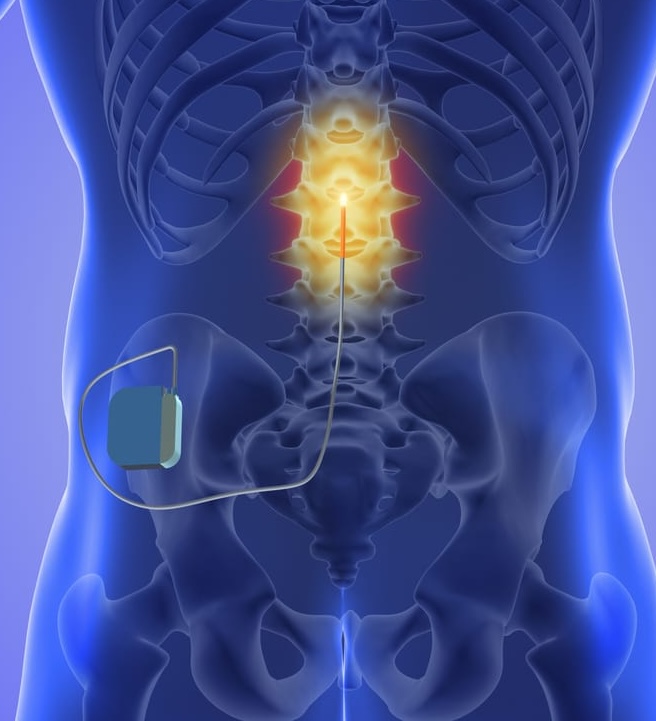
A pain pump, also known as an intrathecal drug delivery system, is a specialized device implanted into the body that delivers medication directly to the fluid-filled space around the spinal cord known as the intrathecal space. This targeted approach allows for lower drug dosages and reduces the likelihood of side effects typically associated with higher doses of oral medications.
Understanding How Pain Pumps Function
The mechanism of a pain pump is straightforward yet ingenious. The device comprises two main parts: the pump and the catheter. The pump is a programmable, battery-powered device that stores and delivers medication. It is surgically implanted under the skin of the abdomen. The catheter is a small, flexible tube that extends from the pump to the intrathecal space, ensuring direct delivery of pain relief medication.
Benefits of Utilizing Pain Pumps
One of the most significant benefits of pain pumps is the considerable reduction in medication dosage. Because pain-relief drugs are delivered directly to the source of pain, patients require much less medication, which decreases the possibility of drug dependency and side effects. Pain pumps provide consistent and continuous pain control, which can be especially beneficial for patients with cancer pain or those who have severe spasticity that hasn’t been managed through oral medications.
The Candidacy and Procedure for Pain Pumps
Patients who have tried and found little relief from other pain management techniques or those with significant side effects from systemic medications might be candidates for a pain pump. The procedure begins with a trial phase to gauge effectiveness, during which medication is injected directly into the spinal fluid to mimic the results of the pump. If the trial is successful, the patient may opt for surgical implantation of the device.
Postoperative Expectations and Lifestyle Adaptations
After the pain pump is implanted, patients can manage their pain by controlling the dose via a remote programmer within the medically advised parameters. Follow-up care is essential for maintaining the system, which involves refilling the pump with medication periodically. Patients can lead a normal life with the device, although they may have to avoid specific physical activities that could dislodge the catheter.
Concluding Thoughts on the Pain Pump Journey
For individuals living with debilitating and chronic pain, intrathecal pain pumps offer a pathway to reclaiming autonomy over their lives. While it’s a significant commitment that requires careful consideration, pain pumps have the potential to alleviate pain profoundly and restore the ability to engage in everyday activities. At Pulse Healthcare System, we’re dedicated to offering comprehensive care that enhances our patients’ lives, and pain pumps play a crucial role in our suite of advanced pain management solutions. If you find yourself consistently battling with pain and conventional therapies have failed, consult with our specialists to find out if a pain pump could be your stepping stone to a pain-free future.