Foot Drop
Ground Breaking Procedure for Restoring Mobility to Foot Drop Patients
Reclaim Your Mobility
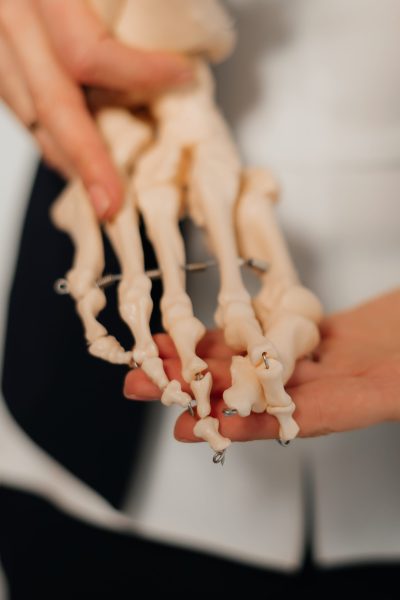
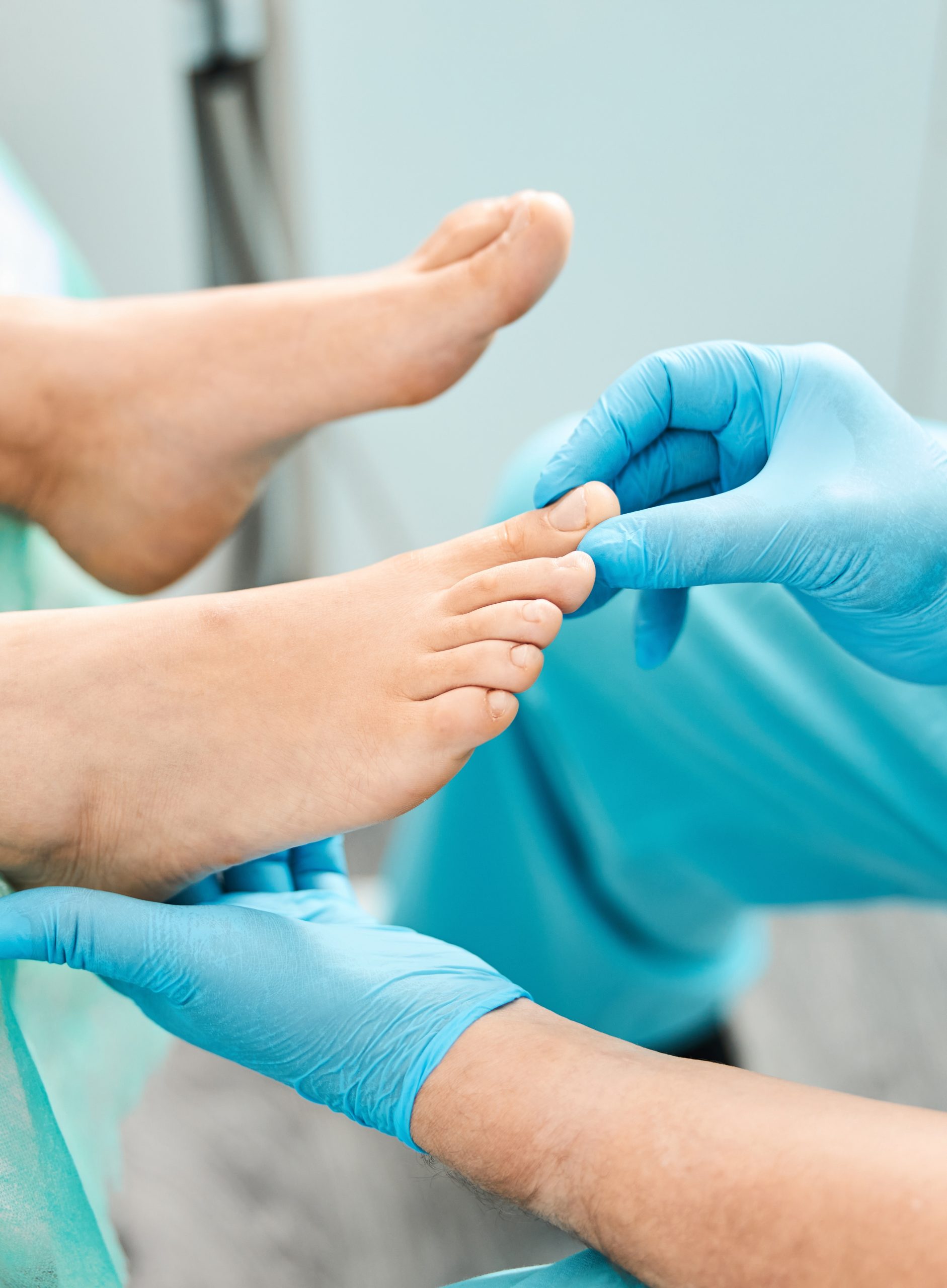
Foot drop is a general term used to describe difficulty lifting the front part of the foot, which can cause the foot to drag on the ground when walking. It is not a disease but rather a symptom of an underlying neurological, muscular, or anatomical problem. Foot drop can be temporary or permanent, depending on the cause. It can occur in one foot or both feet and can affect people of any age. Patients with peripheral neuropathy may experience foot drop due to muscle weakness or paralysis resulting from nerve damage.
At Pulse, we assess each patient's condition to determine the appropriate interventions for managing symptoms like foot drop and improving mobility. Dr. Khan works closely with patients to help them regain control of their movements and achieve a better quality of life. If you are experiencing symptoms of foot drop, don't hesitate to contact us for an evaluation and personalized treatment plan.


Meet Our Podiatric Surgeon
Dr. Khan
Dr. Arshad Khan, DPM, FACFAS, FACFAOM, is a highly skilled podiatric surgeon specializing in Foot Drop, Diabetic Nerve Pain, and Foot and Ankle Surgery.
Renowned as one of the few surgeons worldwide capable of quickly restoring motion for Foot Drop patients, Dr. Khan is dedicated to improving mobility and quality of life.
What is Targeted Nerve Transfer?
Targeted Nerve Transfer
The Targeted Nerve Transfer (TNT) procedure is an innovative surgical technique designed to restore mobility and function in patients suffering from foot drop. This condition, characterized by difficulty in lifting the front part of the foot, can stem from nerve damage or muscle paralysis. TNT works by rerouting functional nerves from the same or neighboring muscles to the damaged nerves, essentially creating a new pathway for nerve signals to travel.
By undergoing the Targeted Nerve Transfer surgery, patients with foot drop have a chance to regain control and movement, improving their quality of life. Pulse is proud to be at the forefront of this cutting-edge procedure, offering hope to those who felt limited by traditional treatment options.

Comprehensive Foot Drop Nerve Testing
Nerve Testing
At Pulse, comprehensive nerve testing for foot drop is a critical component of our diagnostic process. This evaluation is designed to decipher the intricate nature of nerve dysfunction contributing to foot drop.
Our surgeon employs cutting-edge diagnostic methods, including electromyography (EMG) and nerve conduction studies, to measure the electrical activity of muscles and the speed of nerve signal transmission. These tests help in pinpointing the location and degree of nerve damage, providing valuable data to craft a targeted and effective treatment plan.
By understanding the specific neural pathways affected, we are able to recommend the best course of action, whether it's conservative management, physical therapy, or the advanced TARGETED NERVE TRANSFER (TNT) procedure. Our goal is to enable you to regain strength, control, and function in your foot, improving your mobility and quality of life.
Lower Extremity Pain Mapping
Pain Mapping
Lower extremity pain mapping is an intricate diagnostic process employed by Pulse to identify and analyze the origins of pain in the lower limbs. This method involves a systematic examination of the leg, from the hip to the toes, to pinpoint specific pain points and their potential causes.
Utilizing a combination of patient feedback, visual inspection, palpation, and sometimes advanced imaging techniques, our surgeons can trace the pathways of discomfort and determine whether they stem from nerve damage, muscular strain, or skeletal issues.
Pain mapping is an essential step in diagnosing conditions like foot drop, as it helps in creating a comprehensive picture of a patient's pain profile, which informs a personalized treatment approach aimed at alleviating discomfort and restoring normal function.

What to Expect
Targeted Nerve Transfer
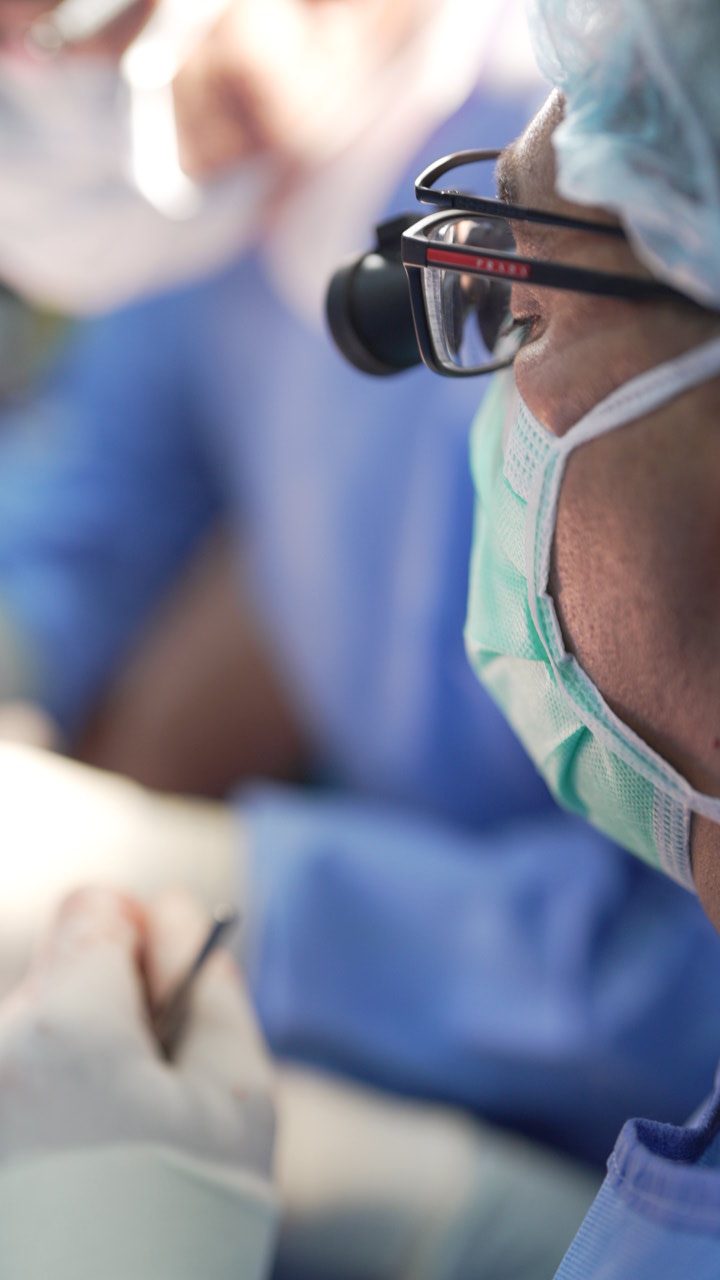
- Procedure Process: During the surgery, our experienced surgeon carefully connects a less critical, but fully functional, donor nerve to the damaged nerve in the target muscle. By doing so, the signal from the brain is redirected to the foot, allowing for voluntary movement.
- Outcomes: Patients can expect to see an improvement in their foot drop symptoms, such as reduced dragging, increased muscle strength, and improved gait. Recovery time varies from patient to patient, but most individuals can resume normal activities within six months.
- Recovery and Rehabilitation: Post-surgery, patients may require several weeks to months of recovery and rehabilitation to gain optimal results. Physical therapy is crucial to retrain the brain and muscles to work together again, and to maximize the potential for movement restored by TNT.
- Risk and Success Rates: As with any surgical procedure, there are risks involved. However, TNT has been shown to offer significant improvement in mobility for many patients. The success of the surgery depends on various factors including the extent of nerve damage, the time elapsed since injury, and the patient's adherence to rehabilitation protocols.
- Follow-Up Care: Regular follow-up appointments are necessary to monitor the recovery process and make any necessary adjustments to the rehabilitation program.
With our highly skilled surgeon, Dr. Khan, cutting-edge facility, and individualized treatment approach, we proudly stand as the premier destination for nerve transfer surgeries in Houston, Tomball, Katy, Huntsville and the surrounding regions.
Patient Stories
Testimonials

Best Foot Drop Care In Texas
Foot Drop FAQ

What is foot drop? + -
Foot drop is a condition characterized by difficulty in lifting the front part of the foot, which can cause the foot to drag on the ground while walking.
What causes foot drop? + -
It is often caused by weakness or paralysis of the muscles involved in lifting the foot, nerve injury, brain or spinal disorders, or muscle disorders.
How does the Targeted Nerve Transfer (TNT) procedure work? + -
TNT involves rerouting a working nerve from an adjacent muscle to the damaged nerve in the affected muscle, creating a new pathway for nerve signals to enable foot movement.
Who is eligible for the TNT surgery? + -
Patients with foot drop due to peripheral nerve injury or muscle paralysis may be candidates for TNT, but a full evaluation is required to determine suitability.
How long does the TNT surgery take, and is it invasive? + -
The duration of the surgery varies, but it typically lasts a few hours and is considered minimally invasive with the focus on nerve rerouting.
What are the success rates for TNT? + -
While success rates can vary, many patients experience significant improvements in mobility and reducing symptoms associated with foot drop.
Are there any risks associated with TNT surgery? + -
As with any surgical procedure, risks are involved, including infection, nerve damage, or lack of improvement in foot drop symptoms, but these are relatively rare.
What can I expect during recovery from TNT surgery? + -
Recovery usually includes several weeks to months of rehabilitation with physical therapy to maximize movement and retrain the brain-muscle connections.
When can I return to normal activities after TNT surgery? + -
Most patients are able to gradually return to normal activities within six months post-surgery, depending on individual recovery and adherence to rehabilitation.
DISCLAIMER + -
Please be advised that the information provided here by Pulse Healthcare System, including but not limited to descriptions of surgical procedures, recovery expectations, and frequently asked questions, is for general informational purposes only and should not be considered as medical advice. Every individual’s circumstance is unique, and the content herein is not intended to be a substitute for professional medical advice, diagnosis, or treatment. Always seek the guidance of your physician or other qualified health provider with any questions you may have regarding a medical condition or treatment and before undertaking a new health care regimen. Do not disregard professional medical advice or delay in seeking it because of something you have read here.
Don't Let Foot Drop Dictate The Pace of Your Life
Schedule Your
Consultation Today!
Are you grappling with foot drop and seeking innovative treatment options? Pulse invites you to schedule a personalized consultation to determine if you are a candidate for the groundbreaking Targeted Nerve Transfer (TNT) surgery. Our comprehensive assessment will explore the specifics of your condition to ascertain whether this cutting-edge procedure is suited to your needs.
Don't let foot drop dictate the pace of your life. Embrace the opportunity for change with Pulse's specialized care. Contact us today and take your first step towards regaining mobility and freedom.
Pulse Healthcare System
Explore Our Latest Blogs
Welcome to Pulse – your go-to resource for health and wellness. Dive into expert tips and insights on staying healthy, preventing illness, and feeling your best. Start your journey to optimal health with us today!