Pulse Wound Care Center Huntsville, TX
116 Medical Park Ln Ste C Huntsville TX. 77340 | 936.277.7101
Understanding Woundcare
Basic Wound Care Management
Effective wound care is critical for optimizing resources in any healthcare facility. Whether treating surgeries, injuries, or lesion-causing conditions, quality wound management plays a key role in patient recovery and resource efficiency. Proper techniques can reduce follow-up visits and prevent infections, minimizing strain on healthcare systems. By improving our approach to wound care, facilities can enhance overall efficiency and patient outcomes. This article explores the core goals of wound care management and the strategies used to achieve them.

Wound Care
Key Goals
Effective wound care is essential for promoting healing and preventing complications. While treatments may vary based on the type and condition of the wound, these fundamental steps apply to all wound care:
- Remove irreparably damaged tissue.
- Thoroughly clean and disinfect the wound.
- Implement measures to prevent further injury.
- Identify the wound's cause to determine whether acute or chronic care is needed.
- Create optimal conditions for healing and minimize complications.
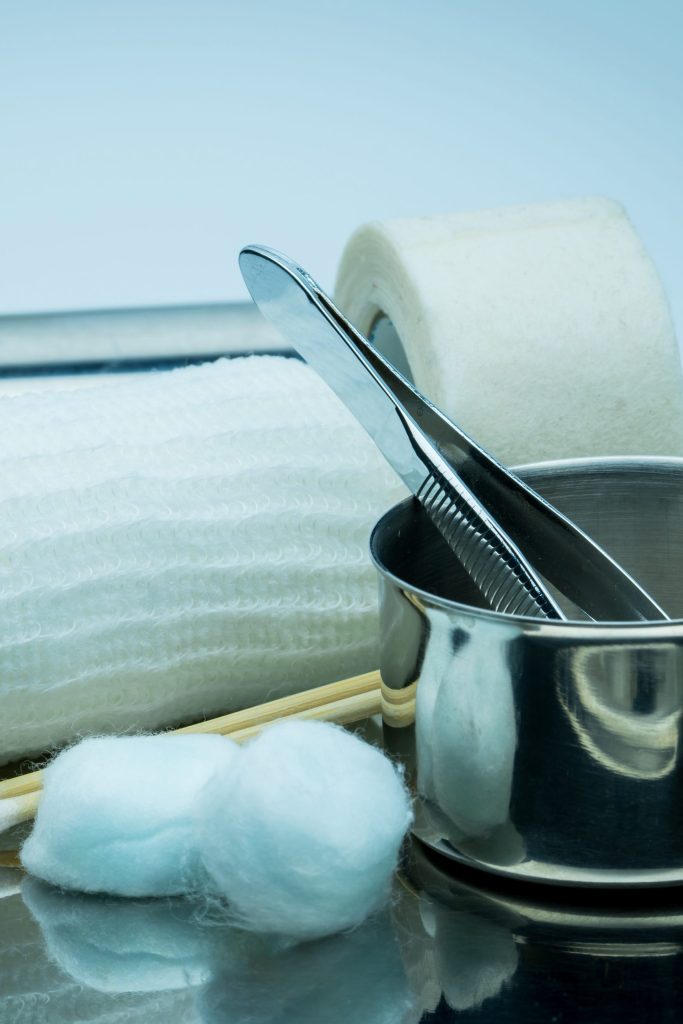
- Apply appropriate dressings to promote a healthy healing environment.
Proper training on the latest wound care techniques is critical for reducing recovery times and avoiding complications that could negatively impact a patient’s quality of life. For chronic wounds, incorporating advanced treatments like hyperbaric oxygen therapy should be considered, especially for wounds known to respond well to this approach.
Basic Wound Care Management
Overview
Effective wound care is essential for successful healing and preventing complications. As a critical part of follow-up care, all staff need to stay informed about the latest research and advancements in wound care techniques. Building partnerships with specialized wound care facilities can further enhance knowledge and access to updated practices.
However, assumptions about generalized treatments or additional methods can increase the risk of complications. Any new approaches should be adopted carefully, with proper oversight to ensure they improve outcomes without introducing unnecessary risks. Staying proactive and informed is key to providing the best care possible.

Pulse Wound Care Center in Huntsville
Hyperbaric Oxygen Therapy
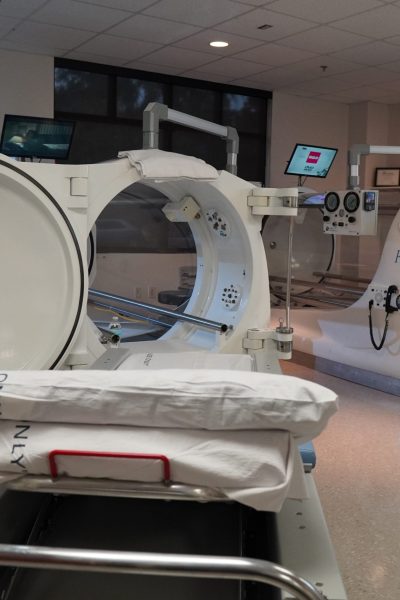
At Pulse Wound Care Center in Huntsville, TX, we provide state-of-the-art Hyperbaric Oxygen Therapy (HBOT) to help patients with chronic, non-healing wounds, such as those caused by diabetes or poor circulation. Our advanced therapy involves breathing pure oxygen while inside our industry-leading mono-place hyperbaric chambers, which pressurize to twice the normal atmospheric pressure. This process allows oxygen to circulate throughout the body at much higher concentrations, accelerating healing, fighting infection, and promoting tissue repair.
Our hyperbaric chambers are designed for comfort and accessibility, featuring the largest internal diameter in the industry (40.5 inches) to reduce claustrophobia and accommodate bariatric patients. The treatment is painless and relaxing, allowing you to watch a movie or rest during your two-hour session, all while being monitored by our highly trained staff.
Why Choose Pulse Wound Care Center for HBOT?
- Largest chamber in Walker County with a 40.5” internal diameter
- Cool, quiet, and patient-controlled temperature settings
- Comfortable stretchers with adjustable positions and safety handrails
- Certified to accommodate patients up to 700 lbs.
- Equipped with a 22” flat-screen TV for entertainment during treatment
- Accredited mono-place chambers for optimal safety and care
Before your first session, our friendly providers and nurses will meet with you to explain the treatment process, create a personalized plan, and answer any questions. Our goal is to provide a comfortable, effective experience that supports healing and improves your quality of life.
If you're struggling with a chronic wound that won't heal, don’t wait—this limb-saving technology could make a difference. Call Pulse Wound Care Center today to schedule an appointment or ask your doctor for a referral. Let us help you heal and get back to living your life!
Assessing Wound Causes
Damage Control
Proper initial wound assessment is critical for effective healing and long-term recovery. Neglecting this step can lead to a more difficult or risky healing process. Except in emergencies, it’s essential to carefully examine the injury, remove damaged tissue, and assess the extent of the wound while avoiding harm to nerves. In some cases, the cause of the wound may not be immediately clear, requiring detailed diagnosis and evaluation.
Debridement
Slow wound healing is often caused by a surface film that fosters microbial growth. Debridement—removing damaged or necrotic tissue—is a key step to prevent infection and promote healing. While sometimes skipped if damaged tissue isn’t obvious, this process is crucial for preventing complications.
Managing Swelling
Swelling should always be evaluated, as it can signal deeper issues such as edema that require immediate attention. While some swelling is a natural response to wounds, it’s important to identify the cause before proceeding with wound closure or further treatment. Addressing abnormal swelling can prevent delays in the healing process.


Wound Care
Cleaning & Disinfecting
Proper cleaning and disinfecting of wounds is critical to promoting faster healing and preventing complications. The materials used during this process can either soothe or irritate the wound, depending on the wound type and cause. Staying informed on the latest wound care advancements can make a significant difference—such as using topical foams for certain ulcers, which can accelerate healing.
This step is repeated every time the dressing is changed, offering an opportunity to monitor the wound’s progress. Using the right materials consistently not only supports faster healing but also minimizes the risk of setbacks. It’s essential to ensure patients and their caregivers are fully trained and equipped to perform this step effectively, as ongoing care outside of clinical settings is key to achieving optimal outcomes.
Outpatient Wound Care Treatment
Outpatient Care
Effective wound care often begins with managing pain. Doctors may use a local anesthetic or prescribe painkillers to ensure comfort during treatment. If there are signs of infection or a risk of complications, antibiotics may also be prescribed as a precaution. Advanced treatments like oxygen therapy and hyperbaric therapy have proven to accelerate healing by boosting oxygen levels in the blood, promoting internal recovery in addition to surface healing. By addressing pain, infection, and healing at multiple levels, outpatient wound care can deliver faster, more effective results.

Wound Care
Wound Closure
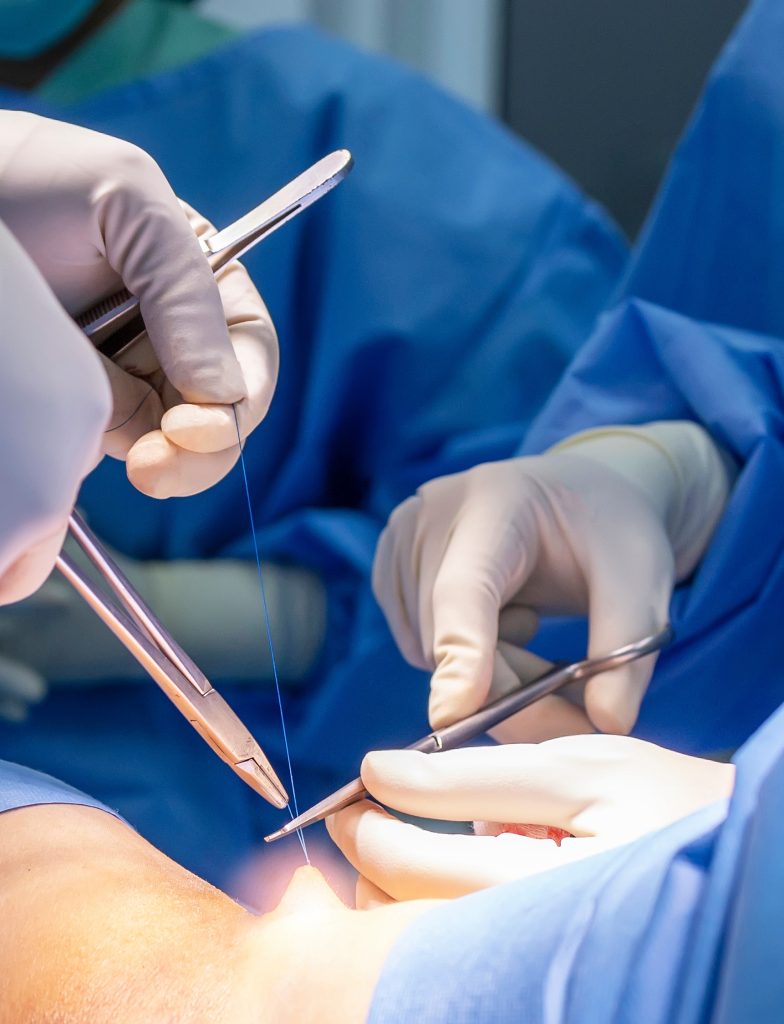
Closing a wound properly is essential for healing, and the method used often depends on the type of wound and available resources. For instance, in the absence of suturing materials, adhesives can serve as a temporary solution. Many patients are concerned about minimizing scarring, and ongoing research continues to explore innovative techniques to improve wound healing and skin regeneration. Exciting advancements are being made in this field.
Common Wound Closure Methods:
- Sutures – Traditional stitching for precise closure.
- Staples – Quick and effective for larger wounds.
- Adhesives – Simple, non-invasive closure for smaller wounds.
- Tissue Glue – Strong, flexible bonding for skin edges.
Each method has its advantages and suitability based on the wound type, with scarring outcomes varying. Exploring cutting-edge solutions could further improve patient care and recovery.
Wound Care
Wound Dressing: Enhancing Healing and Patient Care
Wound dressing plays a critical role in wound care. Improper dressing can delay or even disrupt healing, making it essential to use the right techniques and materials. With advancements in technology and better training, healthcare providers can significantly improve patient outcomes.
Innovations in Wound Healing
Recent advancements in wound dressing have revolutionized healing. From ointments that promote tissue regrowth to dressings that maintain optimal temperature and moisture levels, these innovations enhance recovery. Ensuring access to advanced materials and techniques is vital.
The Importance of Proper Application
Every detail matters when applying wound dressings. Factors like tightness (which impacts blood flow) and moisture levels (which vary throughout the healing process) are crucial. Healthcare providers can improve patient outcomes by offering hands-on training to patients and caregivers on correct dressing techniques.
Key considerations for applying dressings effectively:
- Use a first layer that doesn’t stick to the wound or absorb topical treatments.
- Pay special attention to securing dressings around joints or areas in motion.
- Educate patients on signs of infection, especially for wounds that must stay dressed.
- Explore new dressing technologies, such as microchip-enabled dressings that monitor and maintain ideal healing conditions.
Advanced wound care requires a strategic approach. By equipping staff with current knowledge and partnering with specialists at the Pulse Wound Care Center, healthcare facilities can ensure patients receive superior care.

Stay Connected
Patient Portal
Healow gives you easy access to all of your health resources from your computer or mobile device. Make appointments, communicate with your provider, refill prescriptions, and much more.
Sign up and take charge of your health today.
Patient Stories
Testimonials


Leading Wound Care In Texas
Wound Care FAQ

What is wound care? + -
Wound care involves the evaluation, cleaning, and management of injuries to the skin or underlying tissues to ensure proper healing and prevent complications such as infections.
What is hyperbaric oxygen therapy (HBOT)? + -
HBOT is a treatment in which patients breathe 100% oxygen in a pressurized chamber to promote faster healing and address specific medical concerns.
When should I seek professional wound care? + -
You should seek professional wound care if your wound shows signs of infection, is not healing after a few days, or if it is deep, large, or caused by an underlying medical condition such as diabetes.
What types of wounds require specialized care? + -
Chronic wounds, such as diabetic ulcers, pressure sores, venous leg ulcers, and surgical wounds, often require specialized care to promote healing.
Do all wounds require dressing changes? + -
Yes, but the frequency and type of dressing depend on the wound type and healing stage. Your healthcare provider will advise you on the best approach for your specific wound.
Will wound care be painful? + -
Some discomfort may occur during cleaning or dressing changes, but proper techniques and pain management strategies can minimize it.
How does a hyperbaric chamber work? + -
The chamber increases atmospheric pressure, allowing the body to absorb more oxygen. This increased oxygen improves tissue repair and fights infection.
How many HBOT sessions are needed for recovery? + -
The number of sessions varies by condition and individual needs. Your doctor will create a personalized treatment plan for optimal results.
What is debridement, and why is it necessary? + -
Debridement is the removal of dead or infected tissue to promote healing. It helps clean the wound and creates an optimal environment for recovery.
Take Your First Step Toward Healing
Schedule Your
Consultation Today!
Take the first step towards healing and regaining control of your life by scheduling a personalized wound care consultation with us.
Our thorough evaluation process will help us understand your unique needs and create a tailored treatment plan for a faster, more comfortable recovery. Don’t let wounds slow you down—start your healing journey today.
Pulse Healthcare System
Explore Our Latest Blogs
Welcome to Pulse – your go-to resource for health and wellness. Dive into expert tips and insights on staying healthy, preventing illness, and feeling your best. Start your journey to optimal health with us today!